Simple Ways to Pick Materials That Fit Your Space
Choosing the right hardscaping materials for your yard starts with three main things: how you want the space to work, how much care you want to do, and how the material handles local weather. The best choice is not always the most fancy one. It is the one that fits your yard, your home, and your daily life. In many Turlock, CA yards, a smart mix of pavers, stone, gravel, and concrete gives a good balance of looks, strength, and easy care.
Quick Decision Answer
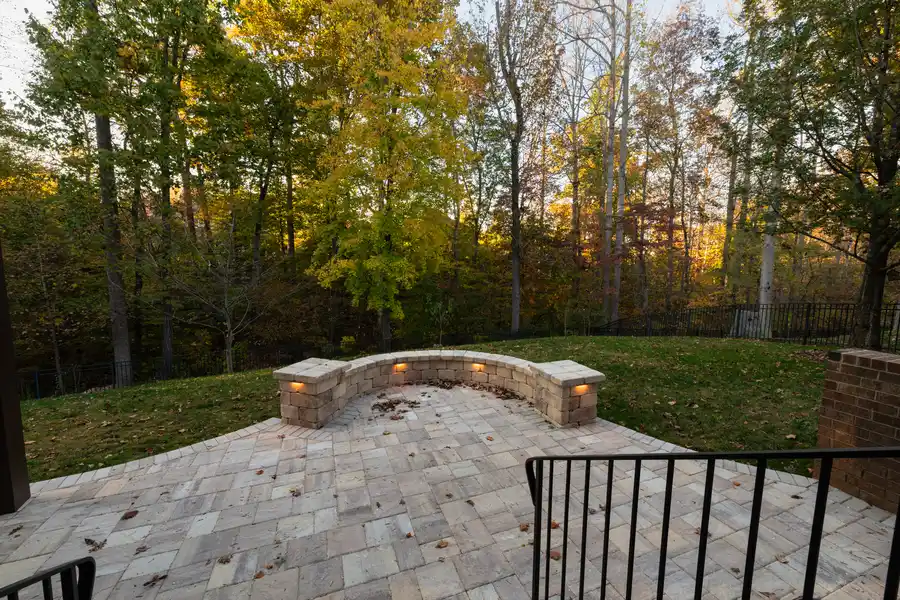
If you want a simple answer, pavers are a strong all-around pick for patios and walkways, gravel works well for low-cost paths and drainage, natural stone gives a high-end look, and poured concrete fits clean, simple designs. The right hardscaping plan depends on where the material will go, how much foot traffic it gets, and the style you want. A service category keyword can also shape the project if your yard plan includes more than one outdoor feature.
Option a Vs Option B Criteria
When people compare hardscaping materials, they often look at pavers versus concrete or natural stone versus gravel. A better way is to compare each choice by the same set of needs. Think about strength, comfort, cost over time, repair needs, and the style of your home.
- Pick the main use for the space, like walking, sitting, or parking.
- Check how water moves through the yard after rain.
- Match the material to the amount of traffic it will get.
- Think about heat, since some surfaces get hotter in full sun.
- Choose a color and texture that fits your house and plants.
- Ask how easy it is to repair one small section later.
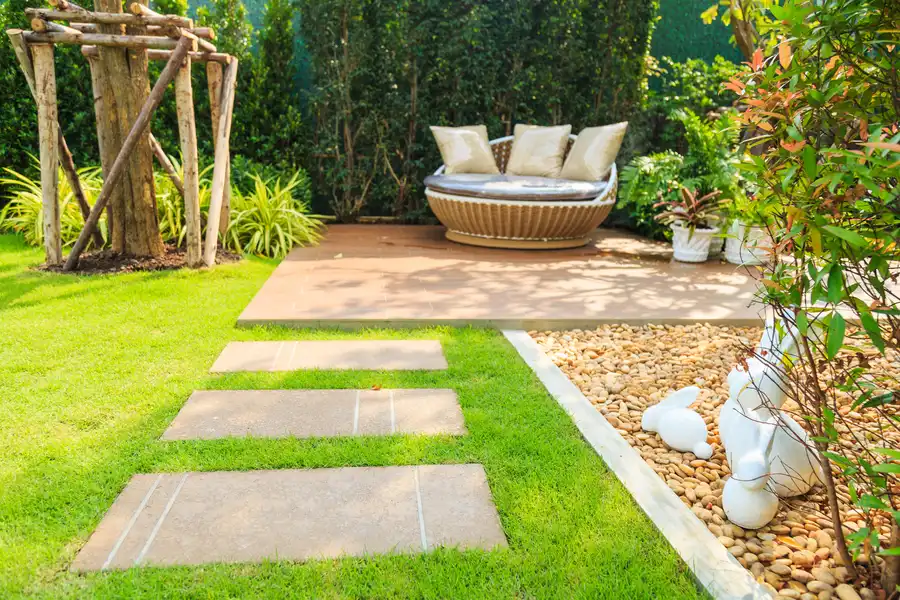
For example, a family patio needs a flat, stable surface. That makes pavers or concrete a better fit than loose gravel. A garden path may not need that same firmness, so gravel or stepping stones can work well there.
Pros and Cons List
Each hardscaping material has good points and trade-offs. Looking at both sides helps you make a better choice.
-
pavers: easy to repair one area, many color choices, good for patios and walkways. They can shift if the base is weak.
-
concrete: clean look, strong surface, often good for large areas. It can crack over time and repairs may show.
-
natural stone: rich, custom look, strong, and great for high-end landscapes. It can cost more and may need more planning during install.
-
gravel: drains well, works for paths, and has a relaxed look. It can move around and may be harder to walk on with some shoes.
-
brick: classic style and warm color. It may wear unevenly in some spots and can need more upkeep than newer paver systems.
Best Fit by Scenario and Yard Use
The best material often depends on how you use the yard. If you host cookouts, a paver patio usually gives a stable and inviting space. If you want a quiet garden path, gravel or flagstone may feel more natural. If you need a long driveway, strength and load matter more than looks alone. That often points people toward concrete pavers or other heavy-duty options.
Homes with a modern style often pair well with large concrete slabs or smooth pavers. Older homes may look better with brick or tumbled stone. If your yard has lots of trees, you may want a material that hides dirt and leaves better. If your yard gets strong sun, lighter colors can stay cooler underfoot.
Drainage also matters. Some yards hold water after storms. In that case, gravel or permeable pavers may help more than a solid surface. A pretty patio will not feel like a good choice if puddles sit on it every time it rains.
Mistakes People Make When Choosing
One common mistake is picking a material only because it looks nice in a photo. Yard conditions are different from one home to the next. Soil, slope, shade, and water flow all affect how hardscaping performs over time.
Another mistake is mixing too many textures and colors. That can make the yard feel busy and uneven. It is often better to keep the main surface simple, then add style with borders, plants, or lighting.
Some people also forget about upkeep. Gravel may need raking. Stone may need sealing in some cases. Pavers need a solid base and joint sand care. Concrete may need control joints and cleaning. A material that looks good on day one should also fit the amount of care you want to give it later.
Final Decision Checklist
Before you make a final call, run through this short checklist:
-
Does the material fit the main use of the space?
-
Will it handle local weather and drainage well?
-
Is it safe and comfortable to walk on?
-
Does it match your home’s style?
-
Can one area be repaired without redoing everything?
-
Are you okay with the needed upkeep?
If you can answer yes to most of these, you are likely on the right track. The goal is not just to choose a material that looks good today. The goal is to choose one that still works well years from now.
When Expert Help Makes Sense
Some hardscaping projects are simple. Others need careful planning. If your yard has drainage problems, steep grades, uneven soil, or a large layout, expert help can save time and prevent costly mistakes. The same is true if you want to blend patios, retaining walls, walkways, and planting beds into one clean design. A well-built base and a smart layout matter just as much as the top material.
Get Help With the Right Plan
We help homeowners across Turlock, CA choose outdoor materials that fit their space and daily needs. At 1st Choice Remodeling, we can walk through the options and explain what may work best for your yard. Call us at (209) 802-1508 if you want a clear plan for your next hardscaping project.