How Layered Soil Helps Grass Roots Grow Deeper and Stay Healthier
layered soil helps sod roots by giving them air, water, and nutrients in the right places. When soil has a healthy mix of topsoil, loosened ground, and organic material, roots can grow down instead of staying shallow. That means stronger turf, better water use, and fewer bare spots. In Turlock, CA, this can make a big difference when grass faces heat, foot traffic, or heavy rain.
What You Need Before Starting
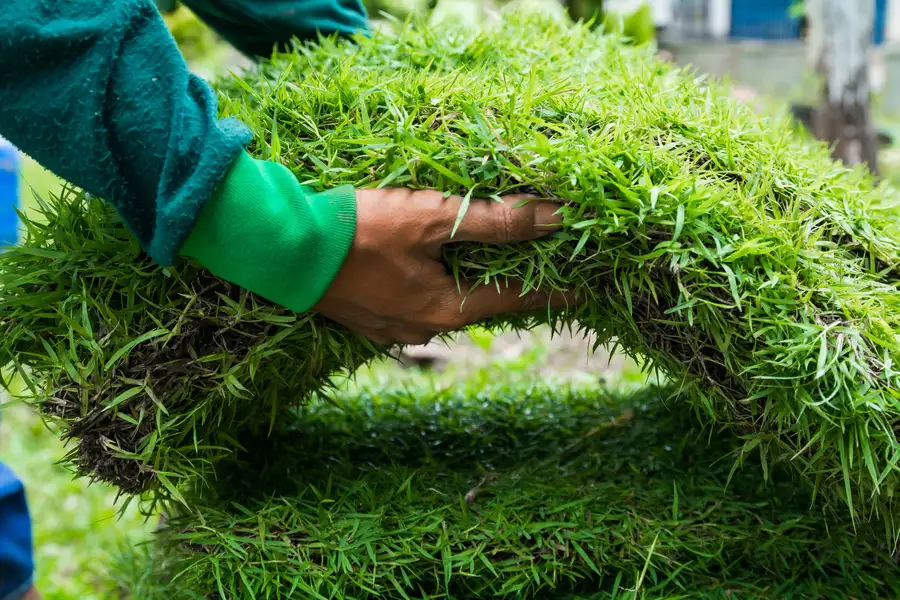
Before any sod installation, the ground under the grass needs attention. New sod may look green on day one, but root health depends on what is below it. A layered soil setup usually includes loosened native soil, quality topsoil near the surface, and compost or other organic matter mixed where needed. This gives roots a softer path and helps water move better through the yard.
It also helps to check drainage, slope, and soil texture before work starts. Clay soil can trap water. Sandy soil can dry out fast. A yard with low spots may stay soggy after rain. These issues affect how well the grass takes root. Good prep matters as much as the sod itself.
Step-by-Step Process
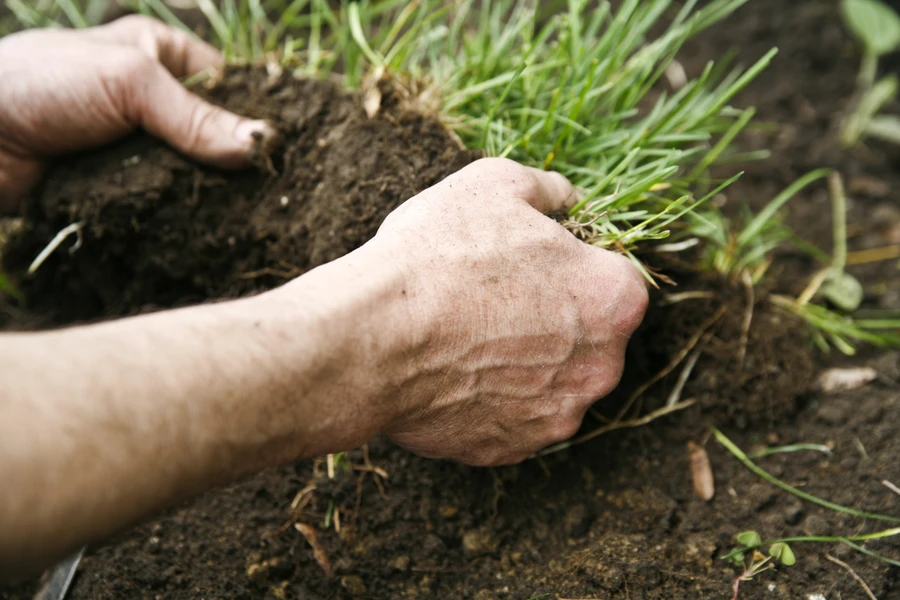
A simple process can help create better conditions for long-term root growth. The goal is not to stack random layers like a cake. The goal is to build a smooth root zone that supports healthy grass from the start.
- Remove old grass, weeds, rocks, and debris from the area.
- Loosen the existing soil a few inches deep so roots can move down.
- Fix grading issues so water drains away from the home.
- Blend in compost or organic matter where the soil is weak or compacted.
- Add quality topsoil if the yard lacks enough healthy surface soil.
- Level the area so the sod sits evenly and makes full soil contact.
- Lay the sod quickly after delivery so it does not dry out.
- Water right away to help roots bond with the soil below.
This process supports sod installation by helping roots settle fast. When roots find both moisture and oxygen, they start growing into the soil instead of shrinking back from stress.
Common Mistakes to Avoid
One common mistake is adding too much topsoil without blending it well with the soil below. That can create a break between layers, which slows water movement and root growth. Another mistake is laying sod on hard, packed ground. Roots may stay close to the surface, which leads to weak turf.
People also run into trouble when they ignore drainage. If water sits under the sod, roots can rot. If the ground dries too fast, new grass can struggle before it gets established. Poor watering after sod installation is another issue. Too little water dries the roots, while too much keeps the soil soggy.
An empty service category keyword can sometimes lead to fuzzy planning because the full scope of yard prep is not named clearly. Even so, the work still needs a clear plan for soil, grading, and drainage.
When Layered Soil Makes the Biggest Difference
Layered soil helps in many real yard situations. It is useful when a property has hard clay, thin topsoil, or heavy foot traffic from kids and pets. It also helps on new construction lots where builders may leave behind compacted dirt with little organic matter.
For example, a front yard may look flat and clean but still have hard ground under the surface. In that case, the sod may green up at first, then thin out a few weeks later. That often happens because roots could not move down into the soil. A proper layered setup gives the grass a better base and helps it hold up during dry weather.
When to Call a Professional
Some yards are simple, but others need more than basic prep. If the area has standing water, steep slope changes, severe compaction, or major soil problems, expert help can save time and money. A pro can test the soil, correct the grade, and build the right base before the sod goes down.
Professional help also makes sense when the project is large or when past grass has failed more than once. If a lawn keeps struggling, the issue is often below the surface. The visible grass is only part of the story. A trained crew can spot hidden problems and match the right soil prep to the site.
Final Recommendation
Healthy lawns start from the ground up. Layered soil supports better rooting, stronger growth, and improved drought response. It also helps sod installation last longer by giving new grass the support it needs from day one. If you want a lawn that looks good and holds up over time, focus on the root zone before the first roll of sod is laid.
For homeowners in Turlock, CA, local soil and weather can affect how a lawn takes hold. At 1st Choice Remodeling, we can help assess the ground, explain the best prep options, and handle the work with care. Call us at (209) 802-1508 if you’d like us to take a look and help plan the next steps for a healthier lawn.