Simple Care Steps Help New Grass Take Root and Stay Healthy
Post installation care for a new lawn starts right away. The first few weeks matter most. New sod needs steady water, light foot traffic, and close watching while roots grow into the soil. If the lawn dries out, shifts, or gets cut too soon, it can struggle. In Turlock, CA, weather and soil can also change how fast a lawn settles in. Good early care helps your grass stay green, even, and strong.
Why Prevention Matters
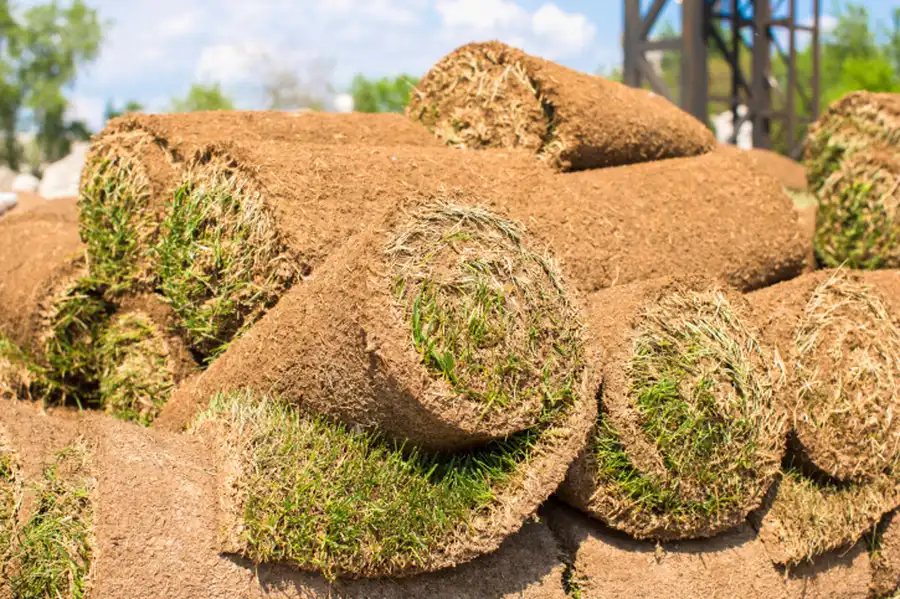
After sod installation, the grass may look finished, but it is still in a tender stage. The roots are shallow at first. That means heat, dry soil, pets, kids, and mowing can all cause stress fast. Prevention matters because small problems are easier to stop than fix. A little extra care now can help prevent brown spots, lifted seams, weeds, and weak root growth later.
Even a well-done lawn project needs follow-up care. This is true for homes, rentals, and other outdoor service category jobs where curb appeal matters. A new lawn is an investment in the yard, and daily habits make a big difference during the first month.
Early Warning Signs
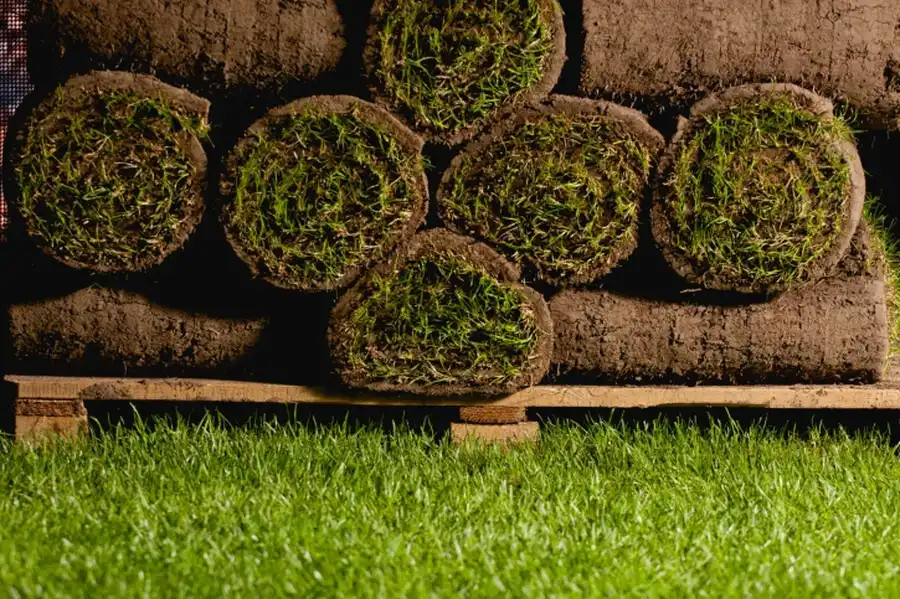
It helps to spot trouble early. New sod often gives clear signs when something is off. If you catch these signs soon, you can adjust watering or activity before the damage spreads.
- Edges curl up or pull apart
- Grass turns dull, gray, or light brown
- Soft, soggy spots stay wet too long
- Sections feel loose when lightly lifted
- Footprints stay pressed into the grass
- Yellow patches appear in one area
Dry sod usually needs more water or better timing. Soggy sod may be getting too much. Loose pieces may not have rooted yet. These signs do not always mean the lawn is failing, but they do mean you should act fast.
Seasonal or Routine Checklist
The best care plan is a simple routine. During the first two weeks after sod installation, the main goal is to keep the sod moist while roots begin to attach. After that, you slowly reduce water and move toward normal lawn care.
- Water right after installation until the soil below is damp.
- Keep the sod moist each day for the first 10 to 14 days.
- Water in the morning so the grass can dry a bit later.
- Avoid heavy use, play, and lawn furniture on new grass.
- Check corners and edges first since they dry out faster.
- Wait to mow until the grass is rooted and tall enough.
- Use a sharp mower blade and never cut too short.
- After two to three weeks, water less often but more deeply.
Hot weather may call for more checks during the day. Cooler weather may mean less watering. Rain helps, but do not assume every shower is enough to reach the roots.
Best Practices for Long-Term Results
Once the sod begins to root, your focus shifts from daily rescue care to healthy growth. Deep roots help the lawn handle heat and regular use better. One of the best long-term habits is deep watering on a schedule instead of light watering all the time. Light watering can keep roots near the surface.
Mowing also shapes how the lawn grows. Let the grass get established before the first cut. Then keep a steady mowing pattern and avoid removing too much height at once. Taller grass often shades the soil and helps hold moisture.
Watch for soil settling too. Low spots can form after installation. If water collects in one area, the roots there may weaken. Small grading fixes or topdressing later on can help smooth the lawn and support even growth. Feeding the lawn at the right time also helps, but too much fertilizer too early can stress new grass instead of helping it.
What Not to Do
New lawns can fail from simple mistakes. Many people mean well but move too fast. Avoiding a few common errors can protect all the work already done.
- Do not let the sod dry out in the first weeks.
- Do not overwater until water pools every day.
- Do not mow while the sod still shifts underfoot.
- Do not pull on corners to “check” roots too often.
- Do not park, play, or place heavy items on it.
- Do not use strong weed products right away.
Another mistake is treating every part of the lawn the same. Sunny spots, slopes, and edges may need different care than shady flat areas. Walk the yard often and look for uneven drying or standing water.
When to Schedule Professional Help
Some new lawn issues need expert help. If large areas stay brown after regular watering, the sod may not be rooting well. If seams keep opening, the base may need work. If water runs off fast or puddles for days, drainage or grading could be the problem. Pest damage and disease can also show up in a young lawn and spread fast.
Professional help is also a good idea when the yard has steep slopes, hard-packed soil, irrigation trouble, or patchy growth across several sections. A trained crew can check root hold, moisture depth, mower timing, and soil conditions. That can save time and help protect the lawn before the damage gets worse.
Get Help If Your New Lawn Needs Extra Care
If you are having trouble with a new lawn in Turlock, CA, we can help check what is going on and suggest the next steps. At 1st Choice Remodeling, we handle sod installation and follow-up lawn care with attention to detail. Call us at (209) 802-1508 if you want us to take a look or answer questions about helping your grass settle in well.